Fascia Training Exercises Said to Ease Back Strain, Improve Balance
08/23/2026 / By Edison Reed
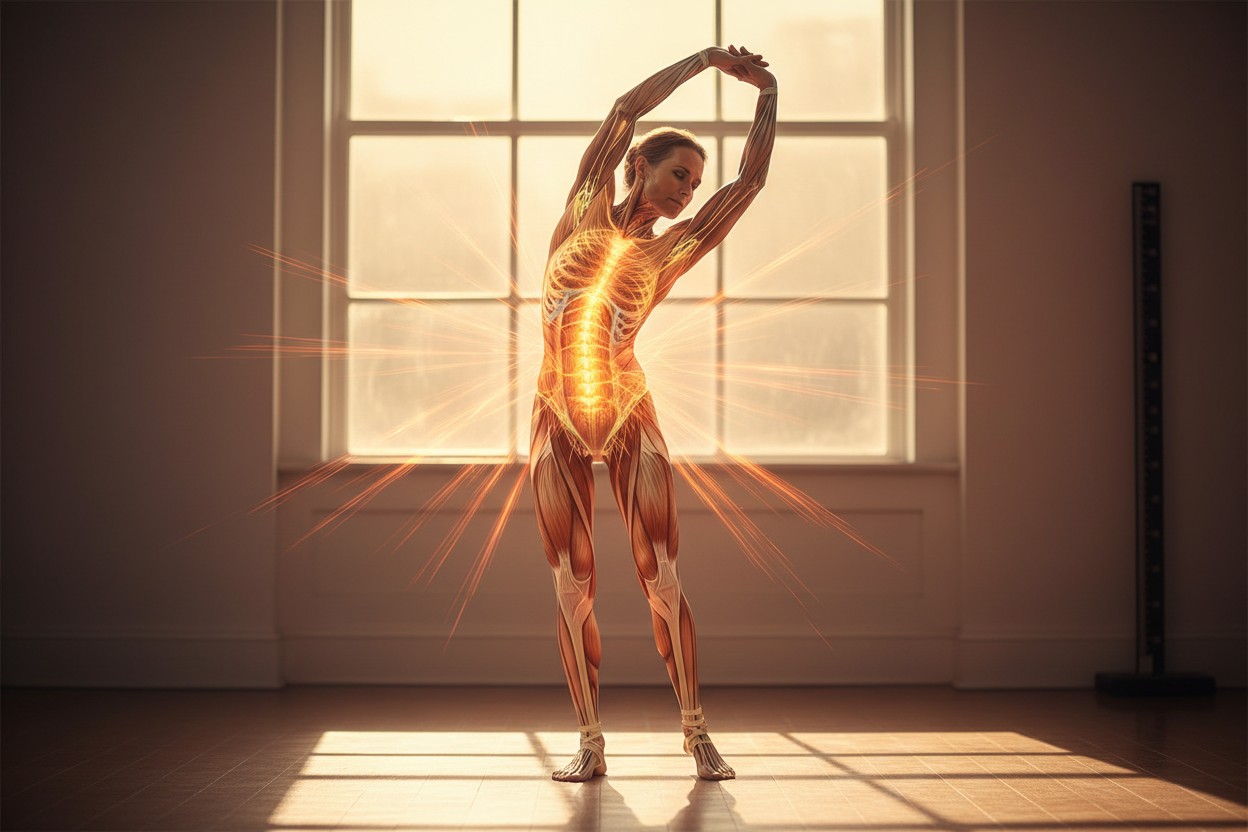
Fascia training exercises developed by spine health coach Dragon Cheng are reported to ease back strain and improve balance, according to an Aug. 9 report by the Epoch Times. The report was updated Aug. 11.
Cheng, founder of the health education organization Intelligence of Body, shared the case of a patient with severe hip joint degeneration on “Health 1+1,” a program produced by NTD, a sister media outlet of the Epoch Times. The patient, who had almost no cartilage left in the hip and was scheduled for surgery, regained movement after practicing fascia training exercises daily, according to the report.
Cheng said the patient’s real issue was not only worn hip cartilage but an imbalance in fascial tension across the entire body. The patient stopped fixating on the wear shown in his X-rays and instead trusted in the improvement of his body’s function, the report stated.
Fascia as a Whole-Body Network
Fascia is a continuous web of fibrous tissue that wraps around and supports muscles, bones, and organs, providing stability and strength so that body parts can glide smoothly against each other, according to a report by NaturalNews.com [1]. It is the connective tissue that encases a muscle like the thin skin around individual sections of an orange, according to Jeanne Rattenbury in “Understanding Alternative Medicine” [2].
The thin layer accounts for about 20% of body mass, according to an article on Mercola.com [3]. When fascial tension falls out of balance, it often causes chronic soreness and stiffness and can affect a person’s sense of balance, Cheng said.
Cheng recommended breathing, gentle stretching, and rolling massage to gradually release tight fascia. The key techniques for stretching fascia, he said, “are to start gently, move slowly without rushing, stretch a large area, and add freedom and creativity.” Sudden or aggressive pulling can trigger the nerves to produce a protective rebound that makes the area even tighter, he said. Special sensors called muscle spindles run across muscle fibers and fire nerve messages to trigger a contraction or stretch reflex if a movement threatens to tear the muscle, according to Anne Kent Rush in “The Way of Stretching” [4].
Bodywork methods such as myofascial release are intended to improve the pliability of fascia, relax muscles, and relieve myofascial trigger points, according to Frances M. Tappan’s “Tappan’s Handbook of Healing Massage Techniques” [5]. Recent studies by Dr. Langevin highlight the key role connective tissue may play in musculoskeletal disease, according to Peter M. Wayne in “The Harvard Medical School Guide to Tai Chi,” which describes a study that used high-resolution ultrasound to compare the mobility and thickness of fascia around the spine of adults with low-back pain and a matched group with no history of low-back pain [6].
Stretching Routine: Measuring Your Height
Cheng’s visualization exercise, “Measuring Your Height,” involves imagining standing upright while height is measured and letting the body naturally lengthen, according to the report. At that moment, Cheng said, a person can feel the bones “floating within the fascial network.” The fascial system functions as a tensegrity system — a combination of “tension” and “integrity” — in which skeletal bones float freely and are held in place by fascia, according to an article on Mercola.com [3].
The exercise proceeds in three steps, according to the report.
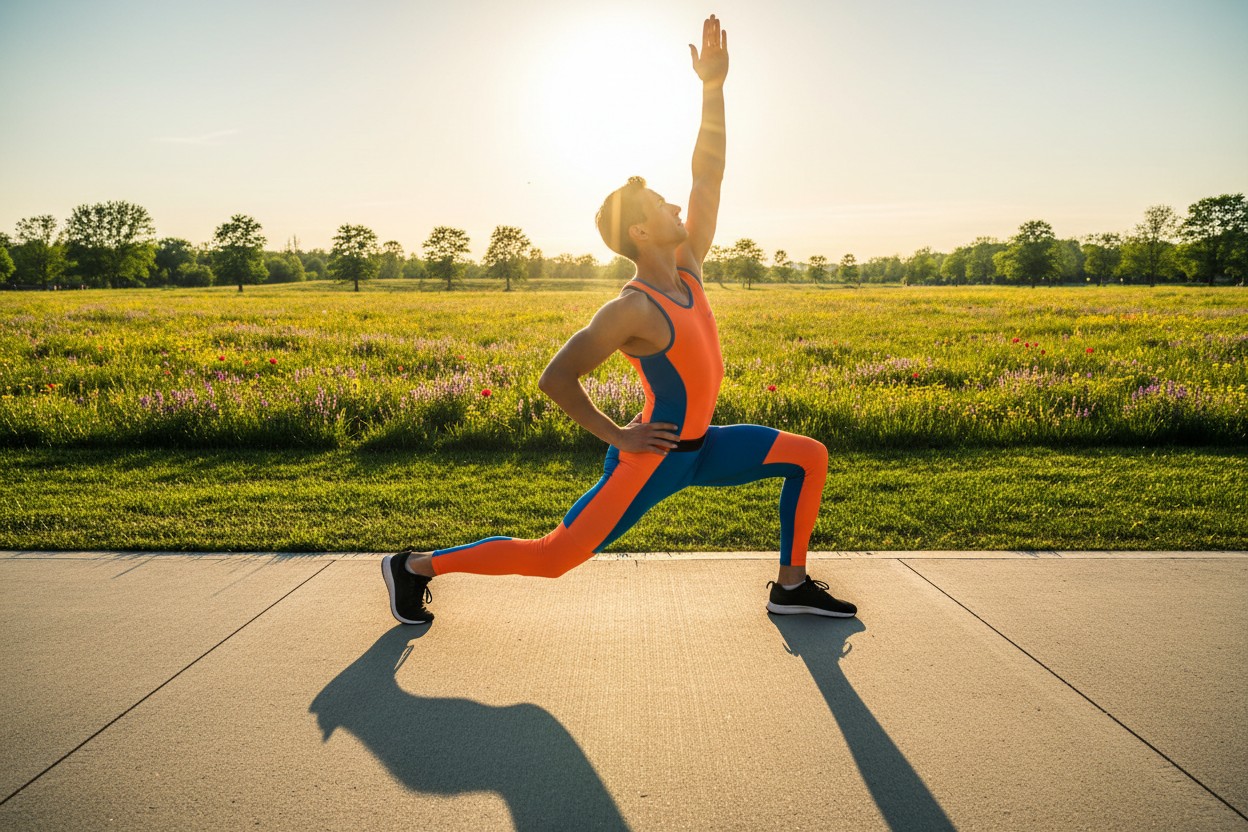
- Step 1: Reach the arms up, stretching toward the sky.
- Step 2: Inhale as the torso rotates, imagining the body being gently twisted and lengthened like a wrung towel.
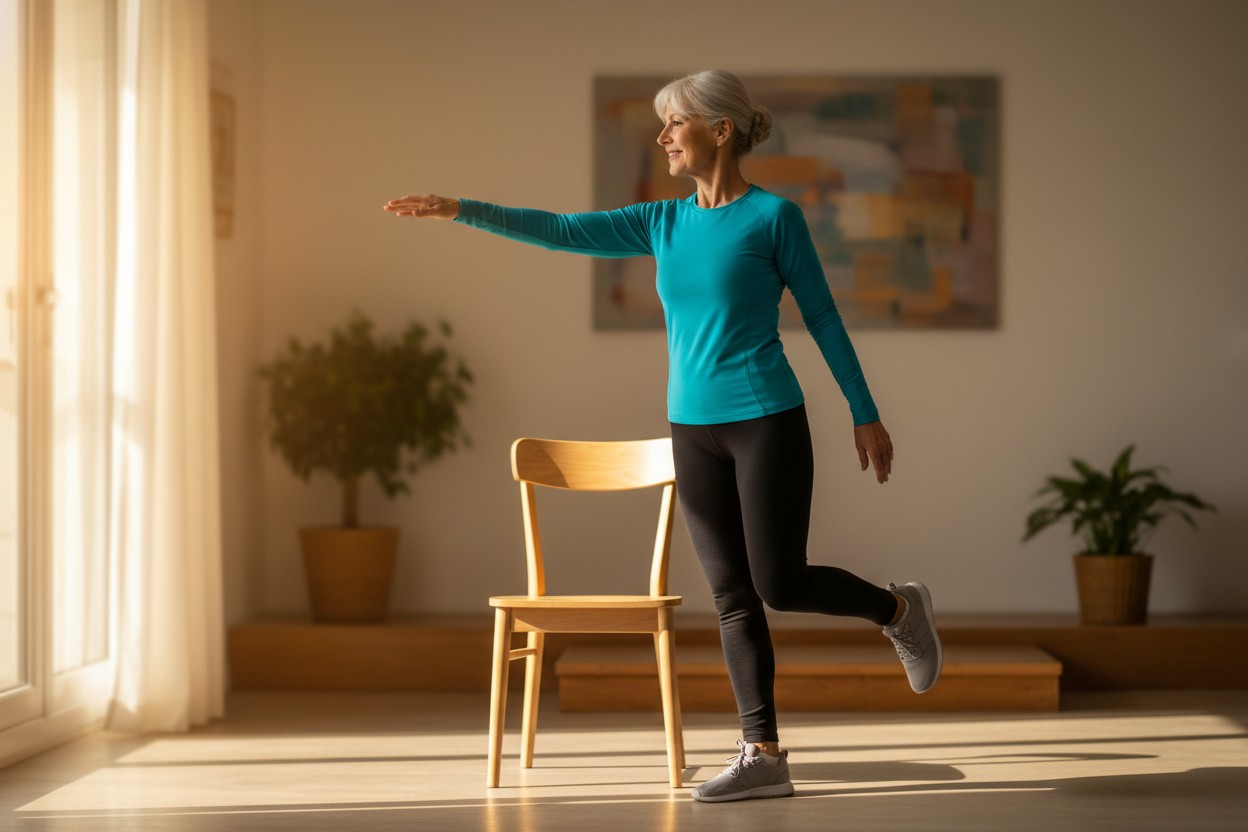
- Step 3: Lower the arms to shoulder height, reach the hands forward as far as possible, and turn the head to look behind.
The sequence is repeated on the other side, with two to three repetitions on each side, according to the report.
Subtle, gentle movements can induce powerful changes, according to Claire Thomas in “Bodywork: What Type of Massage to Get and How to Make the Most of It” [7]. Thomas described a bodywork session in which participants rested on their backs after movement exercises and then walked slowly around the room to become aware of how they felt [7].
Athletic Stance for Body Stability
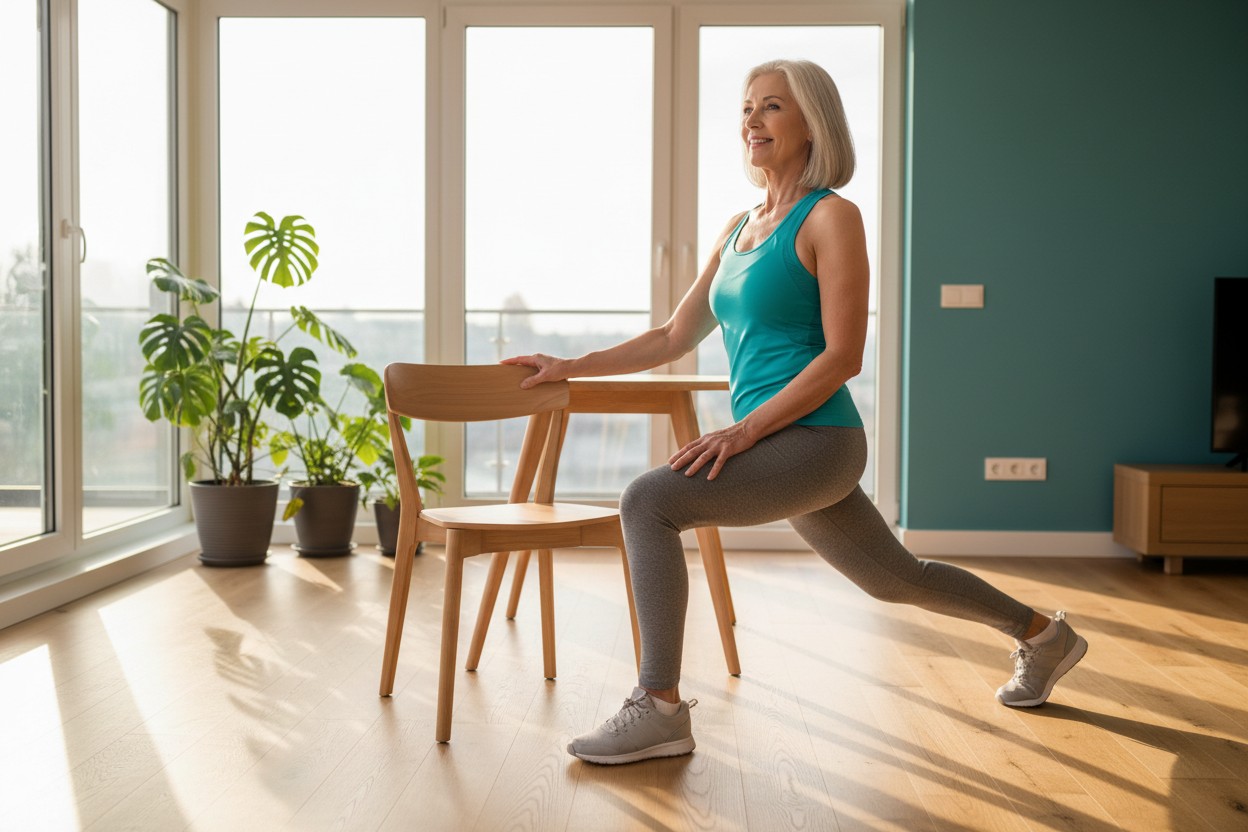
Pairing myofascial release with tension-building exercises improves overall stability and is especially beneficial for middle-aged and older adults who are prone to unsteady walking or concerned about falls, Cheng said. Strength training becomes more important with age, not less, and helps maintain healthy bone mass and prevent age-related muscle loss, according to an article on Mercola.com [8].
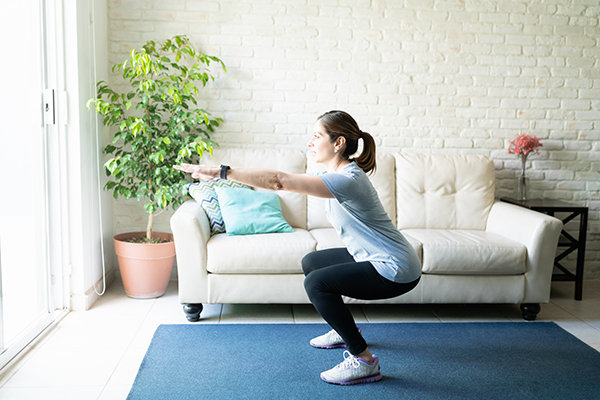
Cheng recommends practicing an “athletic stance” to build body stability, according to the report. Stand tall with the body naturally lengthened upward and feet shoulder-width apart, ensuring the second toes point straight forward and the knees stay aligned with them. Push the hips backward and lean the torso slightly forward to keep the center of gravity balanced, as if preparing to catch a dodgeball. Hold the position briefly, then return to the starting position. Repeat about 10 times, according to the report.
After completing the exercise and returning to an upright position, the body should feel more stable and stronger, Cheng said.
Core Activation and Supporting Study
Activating the core before lifting or carrying objects helps transmit force more efficiently throughout the body, Cheng said. The exercise begins by lengthening the body as if having height measured, then tapping the area just below the navel, drawing the lower abdomen inward, lifting the pubic bone slightly and pressing the tongue against the roof of the mouth at about 30% effort, according to the report. The approach is consistent with muscle energy techniques, in which a patient contracts or moves muscles in a precisely controlled direction against resistance to release holding patterns and extend range of motion, according to William Collinge in “Complete Guide to Alternative Medicine” [9].
Using the tension within fascia to support and lengthen the body can help stabilize the spine during everyday activities such as lifting, pushing open a window, or walking, reducing the risk of muscle strain and degenerative wear, Cheng said. A study of handball players cited in the report found that participants who underwent fascia training showed significant improvements in explosive power, flexibility, and sprint speed, suggesting fascia-focused exercises can enhance overall physical performance.
Advice for Daily Practice
Older adults and people living with chronic pain should spend a few minutes each day stretching their fascia, increasing whole-body tension, and activating their core, Cheng said. Incorporating fascia training into daily life helps reduce the risk of falls and injuries while maintaining long-term mobility, according to the report. Brief stretching and breathing breaks added into each day’s routine can keep small problems from becoming larger ones, according to Anne Kent Rush in “The Way of Stretching: Flexibility for Body and Mind” [10].
“Doctors and medicine are for treating illness,” Cheng said, “but staying healthy and thriving is up to you.”
References
- NaturalNews.com. “Fascia Health and a One-Minute Exercise for Back Stiffness”. July 13, 2026.
- Jeanne Rattenbury. “Understanding Alternative Medicine”.
- Mercola.com. “The Overlooked Organ That Plays a Major Role in Back Pain”. Mercola.com. September 1, 2018.
- Anne Kent Rush. “The Way of Stretching”.
- Frances M. Tappan. “Tappan’s Handbook of Healing Massage Techniques: Classic, Holistic and Emerging Methods”.
- Peter M. Wayne. “The Harvard Medical School Guide to Tai Chi: 12 Weeks to a Healthy Body, Strong Heart and Sharp Mind”. Harvard Health.
- Claire Thomas. “Bodywork: What Type of Massage to Get and How to Make the Most of It”.
- Mercola.com. “The Surprising yet Increasingly Vital Form of Exercise”. Mercola.com. February 15, 2019.
- William Collinge. “Complete Guide to Alternative Medicine”.
- Anne Kent Rush. “The Way of Stretching: Flexibility for Body and Mind”.
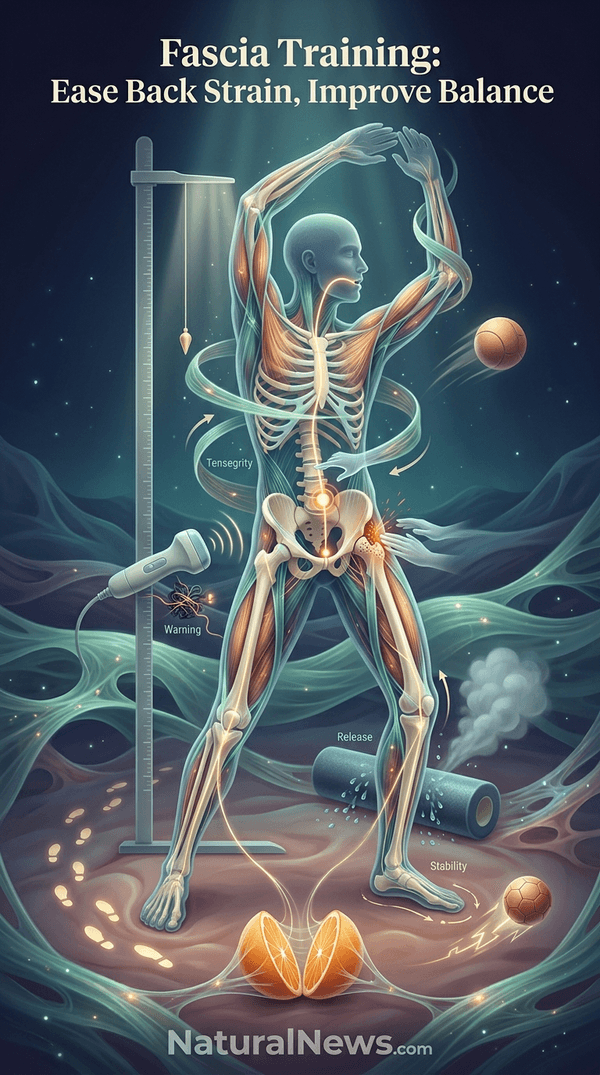
Explainer Infographic
Submit a correction >>
Tagged Under:
alternative medicine, back pain, back strain, balance, body stability, exercise, fascia training exercises, fitness, health science, inflammation, low-impact aerobic exercise, Men's Fitness, natural health, Naturopathy, pain relief, physical activity, remedies, stretching, tips, Women's Fitness
This article may contain statements that reflect the opinion of the author
RECENT NEWS & ARTICLES